A custom glass tabletop can completely transform the appearance and functionality of a piece of furniture. Whether the goal is protecting a wood surface, creating a floating glass design, enhancing a dining room table, or upgrading a conference room, selecting the correct glass thickness is one of the most important decisions in the process.
Many homeowners assume all glass tabletops are the same. In reality, glass thickness affects appearance, strength, weight, edge detail options, and overall performance. Understanding the differences can help ensure the finished product meets both aesthetic and functional goals.
Why Glass Thickness Matters
Glass thickness influences how substantial and refined a tabletop appears. Thinner glass often creates a lighter visual effect, while thicker glass provides a more premium and architectural appearance.
The appropriate thickness depends on how the glass will be used, the size of the tabletop, the support structure beneath it, and whether the glass is intended to protect an existing surface or serve as the primary tabletop itself.
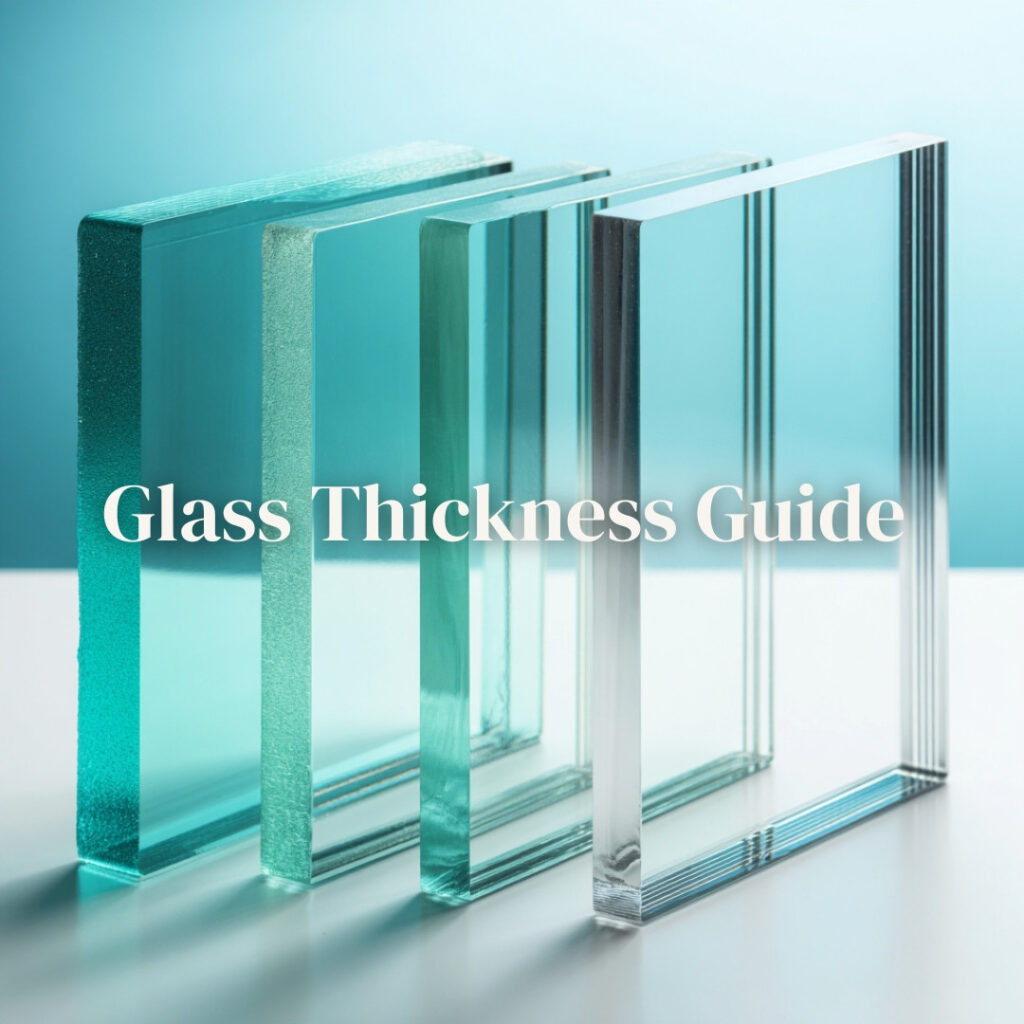
Common Glass Thickness Options
Several glass thicknesses are commonly used for residential and commercial applications. Thin protective covers may use lighter glass, while standalone tabletops often require significantly thicker material.
The most common options include 1/4 inch, 3/8 inch, 1/2 inch, and thicker specialty applications. The ideal selection depends on the dimensions of the table and the amount of support provided by the base structure.
Protective Glass Versus Standalone Tabletops
One of the first questions to consider is whether the glass is serving as a protective layer or functioning as the actual tabletop surface.
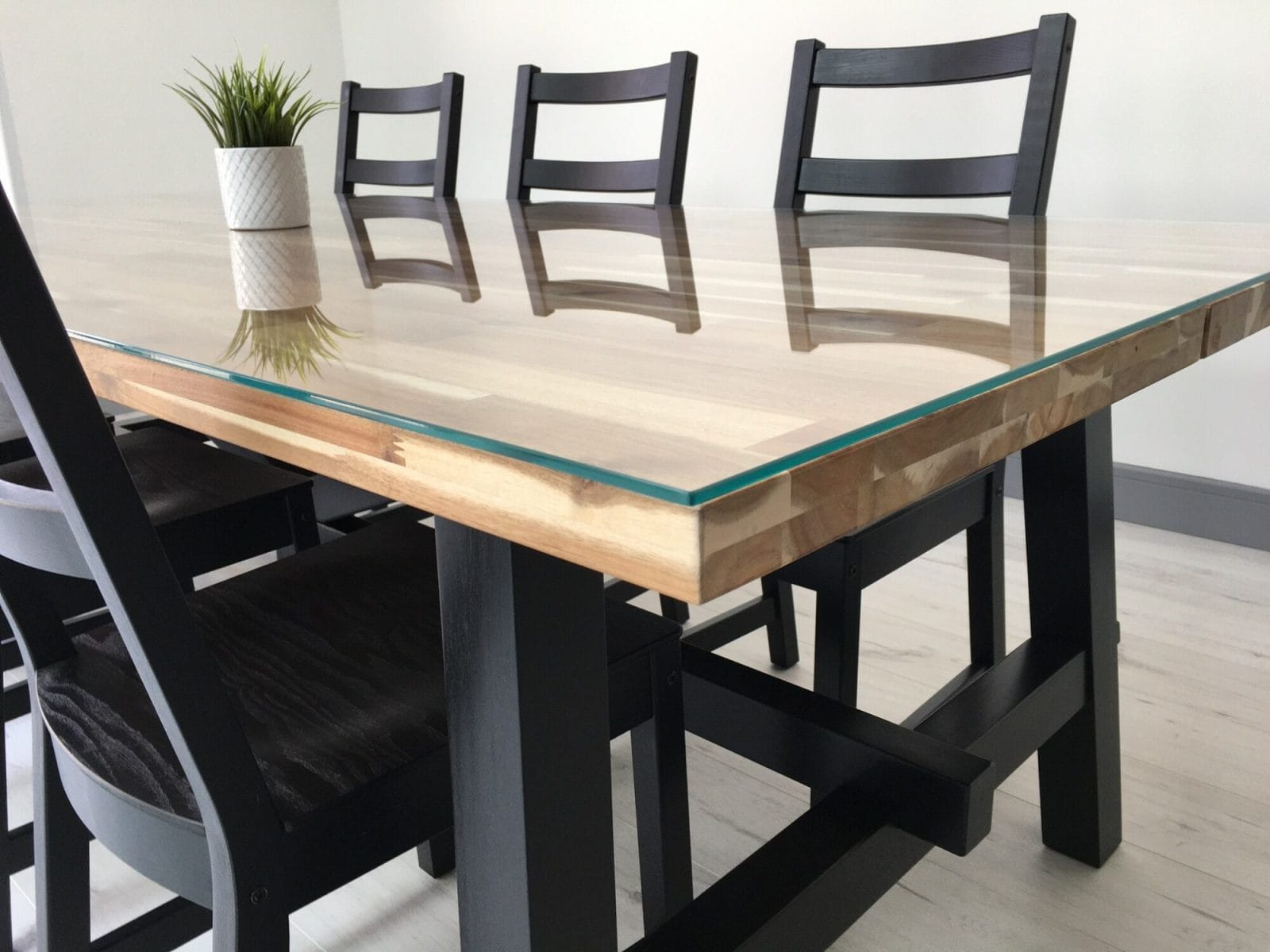
Protective glass is often placed over wood furniture, stone surfaces, desks, and antique pieces to prevent damage while preserving visibility of the material beneath. Standalone tabletops typically require thicker glass because they serve as the primary structural surface.
Dining Room Applications
Dining tables are among the most popular uses for custom glass. Some homeowners use glass to protect a wood table, while others choose a fully glass tabletop supported by a decorative base.
The size of the table, the number of support points, and the intended use all influence the appropriate glass thickness recommendation.
Conference Tables and Office Furniture
Commercial spaces frequently use custom glass for conference tables, executive desks, and reception areas. These applications often prioritize durability, professional appearance, and long term performance.
Because these surfaces experience regular use, selecting the proper thickness is particularly important.
Edge Profiles and Design Considerations
Glass thickness also affects available edge profile options. Polished edges, beveled edges, pencil polished edges, and specialty edge treatments can all contribute to the finished appearance.
Thicker glass often allows edge details to become a more prominent design feature.
Tempered Glass Considerations
Many tabletop applications benefit from tempered safety glass. Tempering increases strength and changes the break pattern to improve safety if damage occurs.
Whether tempering is required depends on the application, dimensions, and local code requirements. Professional consultation helps determine the most appropriate option.
Weight and Structural Support
As glass thickness increases, overall weight also increases. It is important to ensure that the table base, support system, and surrounding structure can properly support the finished piece.
Professional measuring and fabrication help identify any potential concerns before production begins.
Custom Shapes and Specialty Designs
Custom tabletops are available in a wide variety of shapes including rectangular, square, round, oval, racetrack, and completely custom configurations. Specialty cutouts, radius corners, and unique edge details can also be incorporated.
The complexity of the design may influence fabrication requirements and material recommendations.
Professional Measuring and Fabrication
Accurate measurement is critical when producing custom glass tabletops. Even minor dimensional errors can affect fit, appearance, and functionality.
Professional fabrication ensures that the glass is cut, polished, and finished according to exact project specifications.
Serving Maryland, Virginia, and Washington, DC
Throughout Maryland, Virginia, and Washington, DC, homeowners, interior designers, contractors, and business owners continue to use custom glass tabletops to protect furniture, enhance interiors, and create elegant design features.
Conclusion
Choosing the right glass thickness involves balancing appearance, performance, safety, and structural requirements. Working with experienced professionals helps ensure that the finished tabletop not only looks exceptional but also performs reliably for years to come.