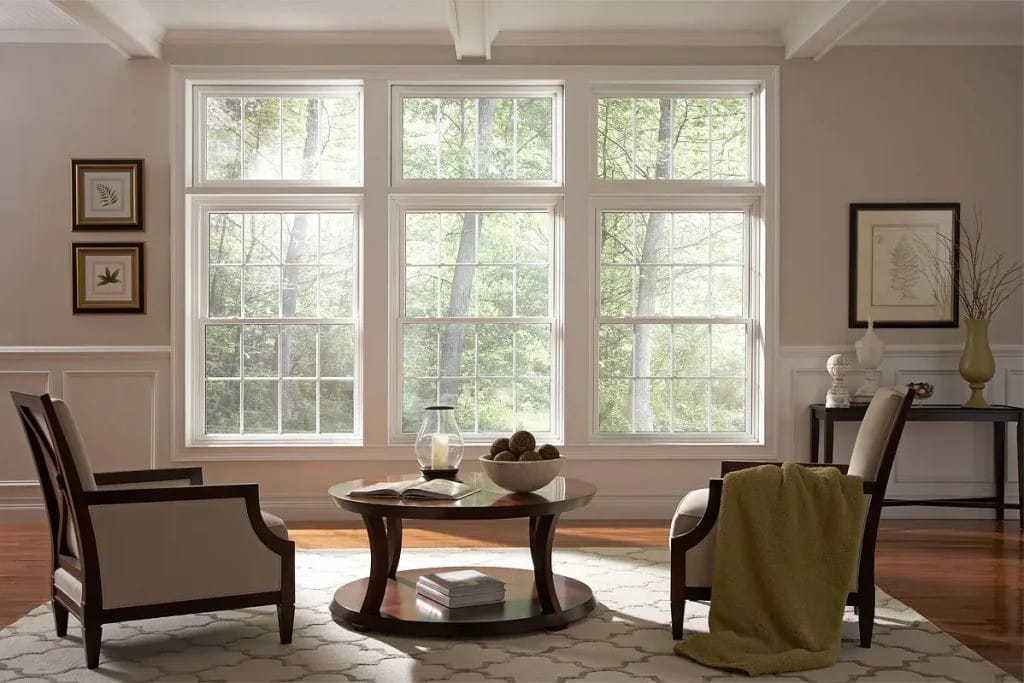
Insulated glass plays a critical role in the comfort, efficiency, and appearance of modern homes and commercial buildings. Designed to improve energy performance and reduce heat transfer, insulated glass units are commonly found in windows, doors, and other exterior glazing systems.
While insulated glass is built to last, it does not last forever. Over time, seals can fail, moisture can enter the unit, and performance can begin to decline. Recognizing the early warning signs can help property owners address issues before they become more significant.
What Is Insulated Glass
Insulated glass consists of two or more panes of glass separated by a spacer and sealed together to create an insulating air space. This design improves thermal performance while helping reduce outside noise and condensation.
These units are commonly referred to as double pane or insulated glass units and are found in many residential and commercial properties.
Fogging Between the Glass Panes
One of the most obvious signs of insulated glass failure is fogging or condensation between the panes of glass. Because the moisture is trapped inside the sealed unit, it cannot be cleaned from either side of the window.
When this occurs, visibility decreases and the appearance of the window is negatively affected.
Condensation That Does Not Go Away
Temporary condensation on the interior or exterior surface of a window can be normal under certain weather conditions. However, condensation trapped between the panes typically indicates a failed seal.
Once the seal is compromised, moisture can enter the insulating space and remain trapped.
Reduced Energy Efficiency
A failed insulated glass unit often loses some of its insulating properties. Homeowners may notice increased heating and cooling costs as the window becomes less effective at limiting heat transfer.
Energy efficiency is one of the primary reasons insulated glass is installed, so performance loss should not be ignored.
Visible Water Staining
As moisture accumulates within a failed insulated glass unit, staining or mineral deposits may begin to appear. These visual defects often become more noticeable over time and can affect the overall appearance of the property.
Distorted or Cloudy Appearance
In addition to fogging, some failed insulated glass units develop a cloudy appearance that reduces visibility. The glass may appear dirty even after cleaning because the issue exists within the sealed unit itself.

Difficulty Maintaining Indoor Comfort
Property owners sometimes notice certain rooms becoming harder to heat or cool. Drafts, temperature fluctuations, and reduced comfort levels may indicate that insulated glass performance has deteriorated.
While other building components can contribute to these issues, failed insulated glass should be considered as part of the evaluation.
Aging Windows and Glass Units
Even if obvious symptoms are not yet present, older insulated glass units may eventually require replacement. Exposure to weather, temperature changes, sunlight, and environmental conditions can affect long term performance.
Routine inspections can help identify potential issues before complete failure occurs.
Benefits of Replacing Failed Insulated Glass
Replacing a failed insulated glass unit often restores clarity, improves appearance, and helps improve energy performance. In many situations, it may be possible to replace the insulated glass itself rather than replacing the entire window assembly.
This can provide a cost effective solution while preserving existing frames and architectural details.
Professional Evaluation Matters
Determining whether insulated glass requires replacement is best handled through professional inspection. Experienced glass professionals can identify seal failures, assess overall condition, and recommend appropriate solutions.
Proper measurement is also critical because insulated glass units are custom fabricated to fit specific openings.
Serving Maryland, Virginia, and Washington, DC
Throughout Maryland, Virginia, and Washington, DC, property owners rely on insulated glass to improve comfort, efficiency, and aesthetics. When failures occur, timely replacement helps restore performance and maintain the appearance of the building.
Conclusion
Fogging, condensation between panes, reduced energy efficiency, and visibility issues are all common signs that insulated glass may need replacement. Addressing these problems promptly can help preserve comfort, improve appearance, and protect long term property value.