When planning a bathroom renovation, one of the most important decisions homeowners make is selecting the right shower enclosure. Two of the most common options are frameless shower doors and semi frameless shower doors. Both can improve the appearance and functionality of a bathroom, but they offer different aesthetics, performance characteristics, and investment levels.
Understanding the differences between these systems can help homeowners choose the option that best aligns with their design goals, budget, and long term expectations.
What Is a Frameless Shower Door
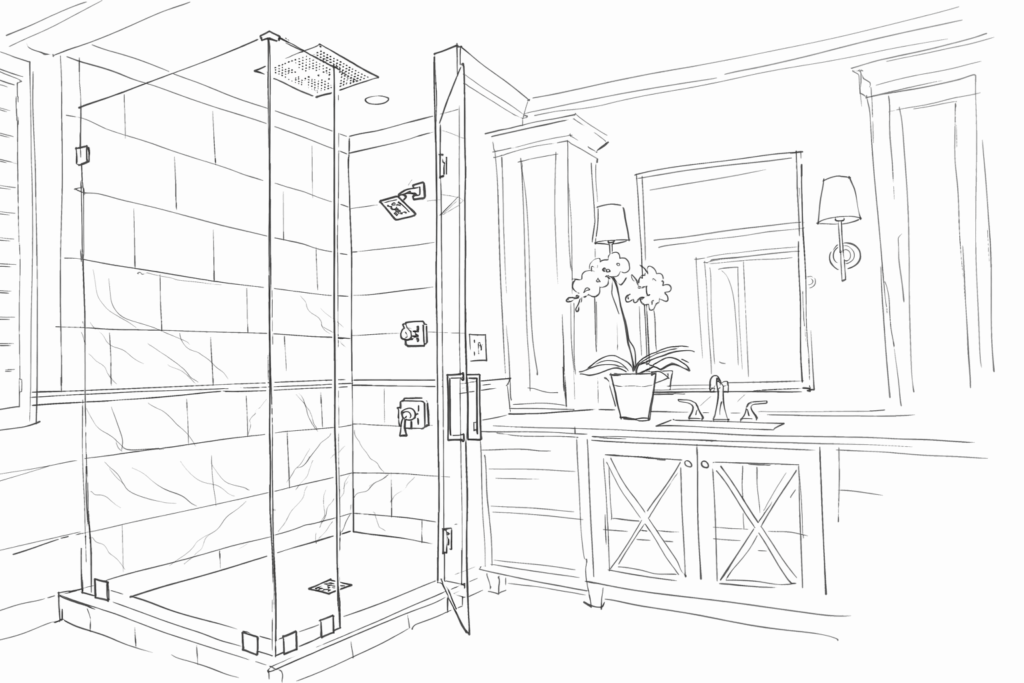
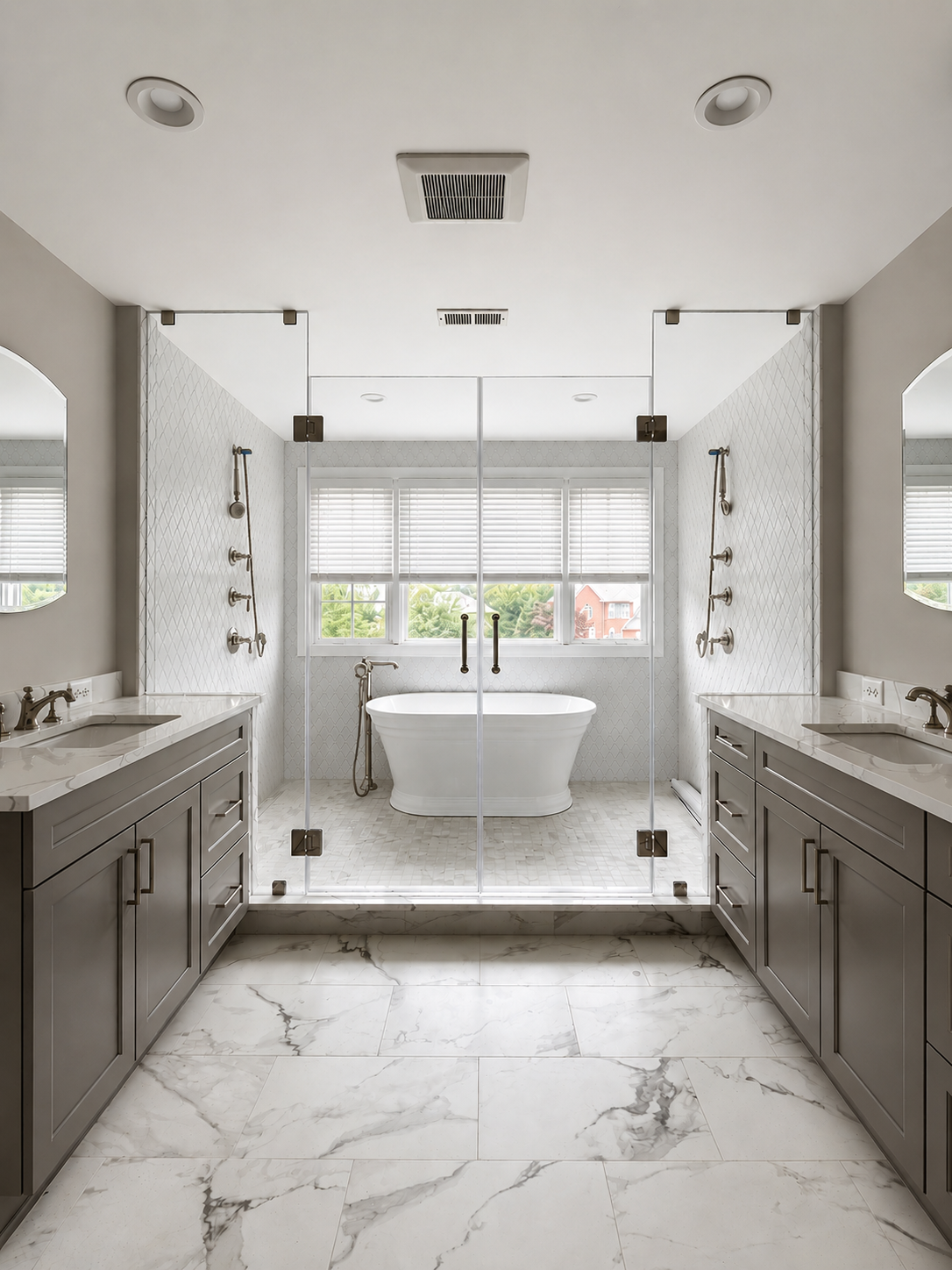
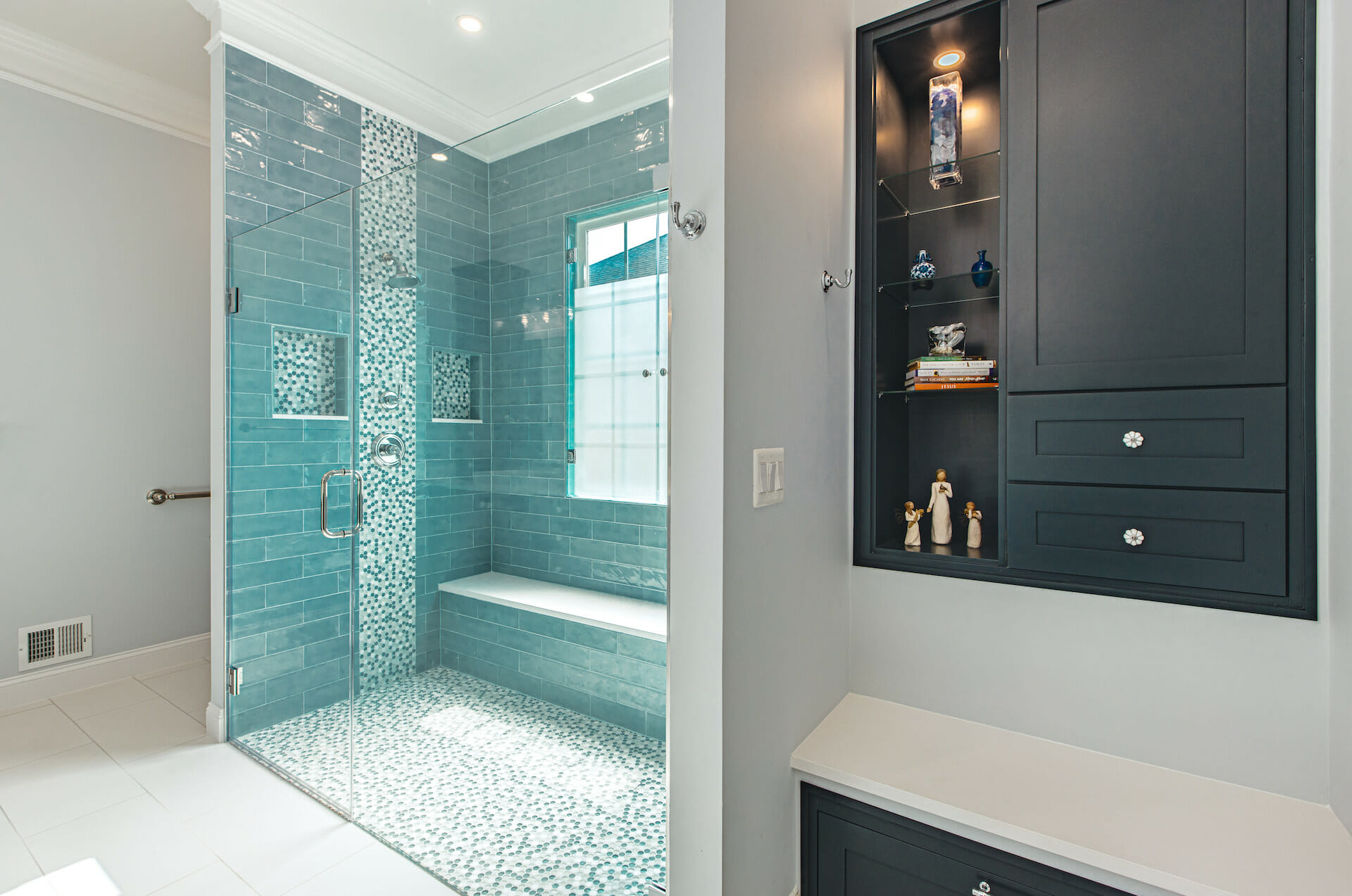
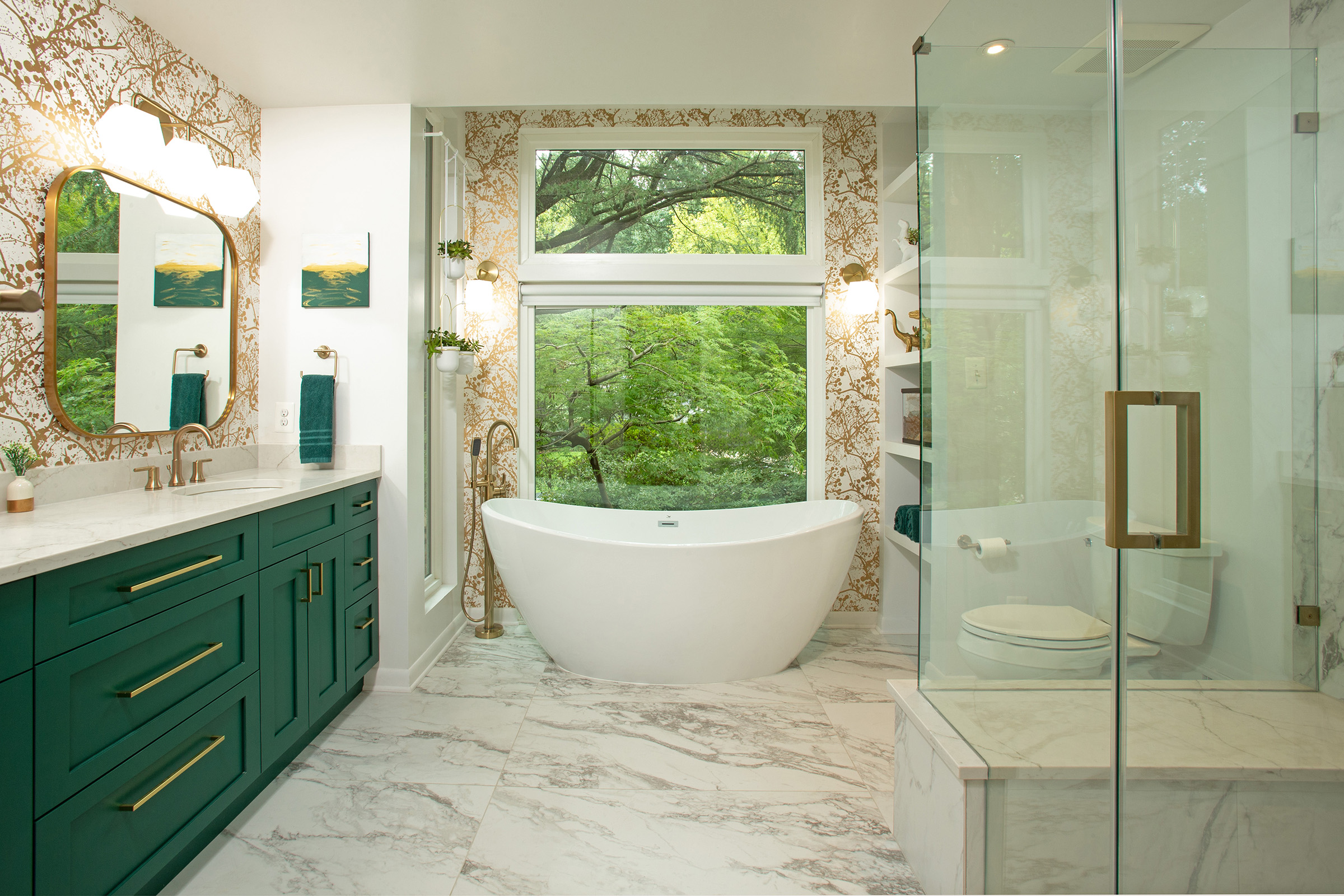
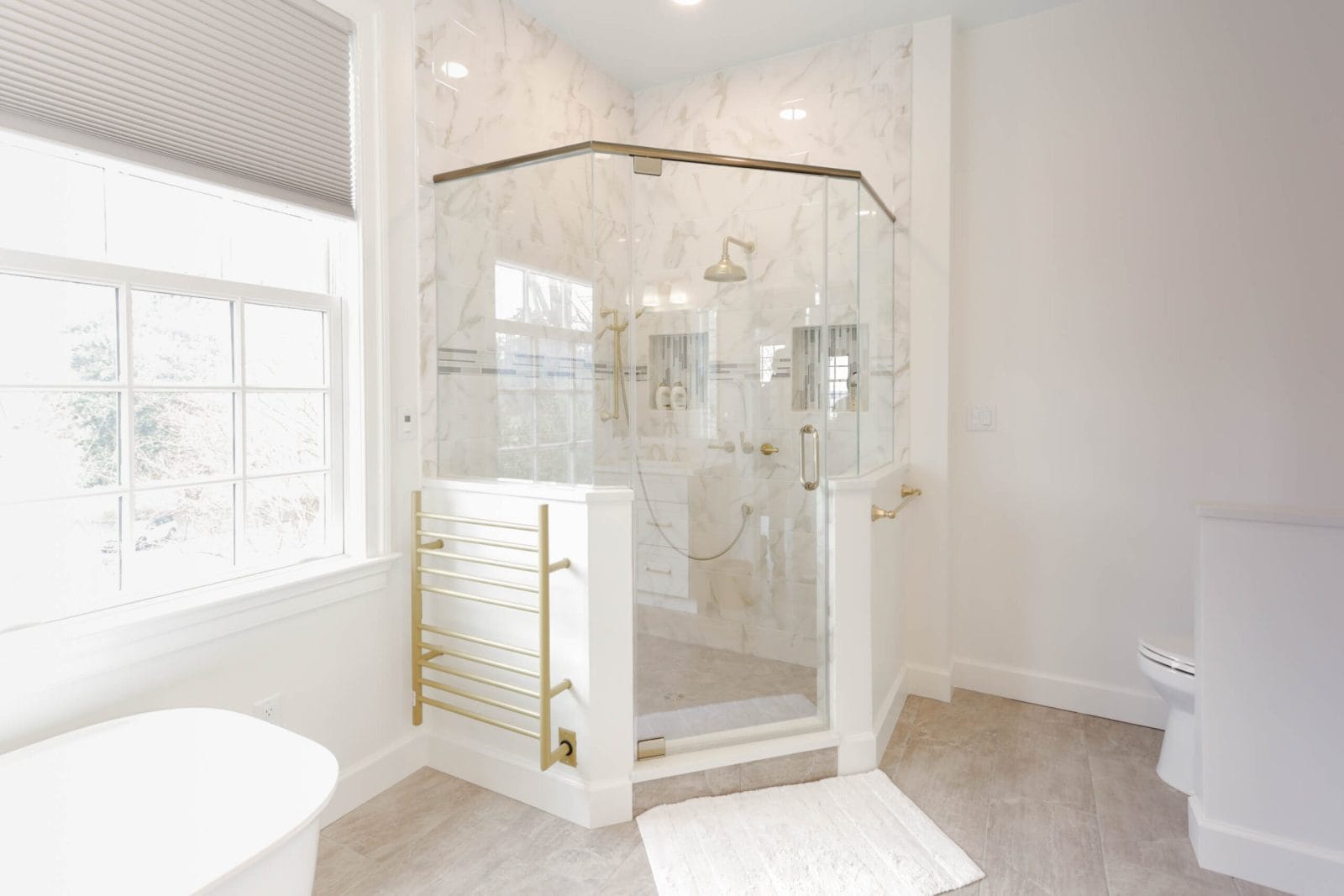
A frameless shower enclosure uses thick tempered glass and minimal hardware to create a clean, open appearance. The design minimizes visual barriers and allows tile work, fixtures, and architectural details to remain the focal point of the bathroom.
Frameless systems are often associated with luxury bathrooms because they provide a sleek and timeless appearance. They also tend to make bathrooms feel larger and brighter by allowing light to travel more freely throughout the space.
What Is a Semi Frameless Shower Door
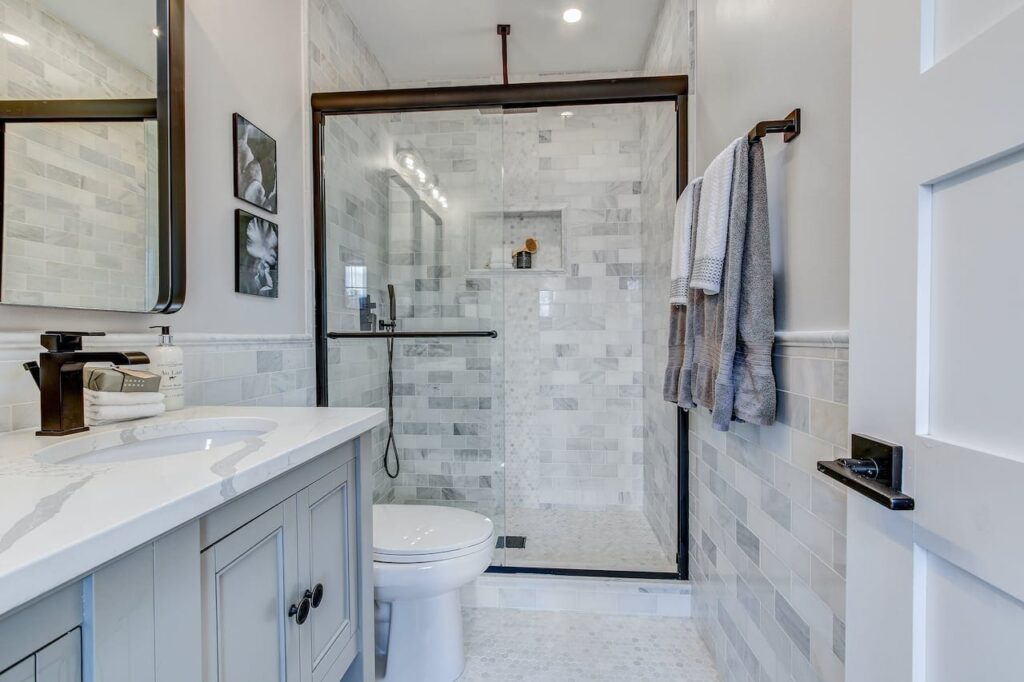
A semi frameless enclosure combines glass panels with select framing components. While the door itself may have minimal framing, certain perimeter areas may include metal framing for support.
Semi frameless systems can provide a balance between appearance and cost. They offer a cleaner look than fully framed enclosures while typically requiring a lower investment than a fully frameless system.
Appearance and Design Considerations
One of the primary reasons homeowners choose frameless glass is aesthetics. Frameless enclosures create uninterrupted sightlines and highlight surrounding finishes. They work particularly well in bathrooms featuring decorative tile, natural stone, and custom fixtures.
Semi frameless systems still provide a modern appearance but include additional visible metal elements. For some homeowners, this difference is minimal. For others, maintaining completely open sightlines is a top priority.
Glass Thickness Differences
Frameless shower enclosures typically use thicker glass to provide structural stability without relying on extensive framing. Common options include 3/8 inch and 1/2 inch tempered glass.
Semi frameless systems may allow for thinner glass because portions of the enclosure receive support from framing components. The appropriate thickness depends on the specific design and engineering requirements.
Maintenance and Cleaning
Frameless enclosures are often easier to clean because they have fewer areas where soap residue, moisture, and debris can accumulate. With fewer metal channels and frame components, homeowners typically have fewer surfaces requiring detailed maintenance.
Semi frameless systems can still be maintained effectively, but additional framing components may require more routine cleaning.
Durability and Performance
Both frameless and semi frameless systems can provide excellent long term performance when properly measured, fabricated, and installed. The quality of materials, hardware, fabrication, and installation often has a greater impact on performance than the choice between the two styles.
Cost Considerations
Budget is frequently a deciding factor. Frameless enclosures generally require thicker glass and premium hardware, which can increase overall project costs.
Semi frameless systems often provide a lower entry point while still delivering a contemporary appearance. For homeowners balancing design goals with budget requirements, they can represent a practical alternative.
Which Option Is Right for Your Bathroom
The best choice depends on your priorities. Homeowners seeking maximum openness, minimal visual obstruction, and a premium appearance often gravitate toward frameless systems. Those looking for a balance of appearance and value may find semi frameless systems to be an excellent solution.
Working with a professional glass company can help determine which option best fits your layout, design objectives, and budget.
Serving Maryland, Virginia, and Washington, DC
Throughout Maryland, Virginia, and Washington, DC, homeowners continue to choose both frameless and semi frameless shower enclosures for bathroom renovations, custom homes, and remodeling projects. Each option can provide a beautiful finished result when designed and installed correctly.
Conclusion
Both frameless and semi frameless shower doors offer advantages. Understanding the differences in appearance, maintenance, glass thickness, and investment can help homeowners make informed decisions and achieve the look they want for their bathroom.